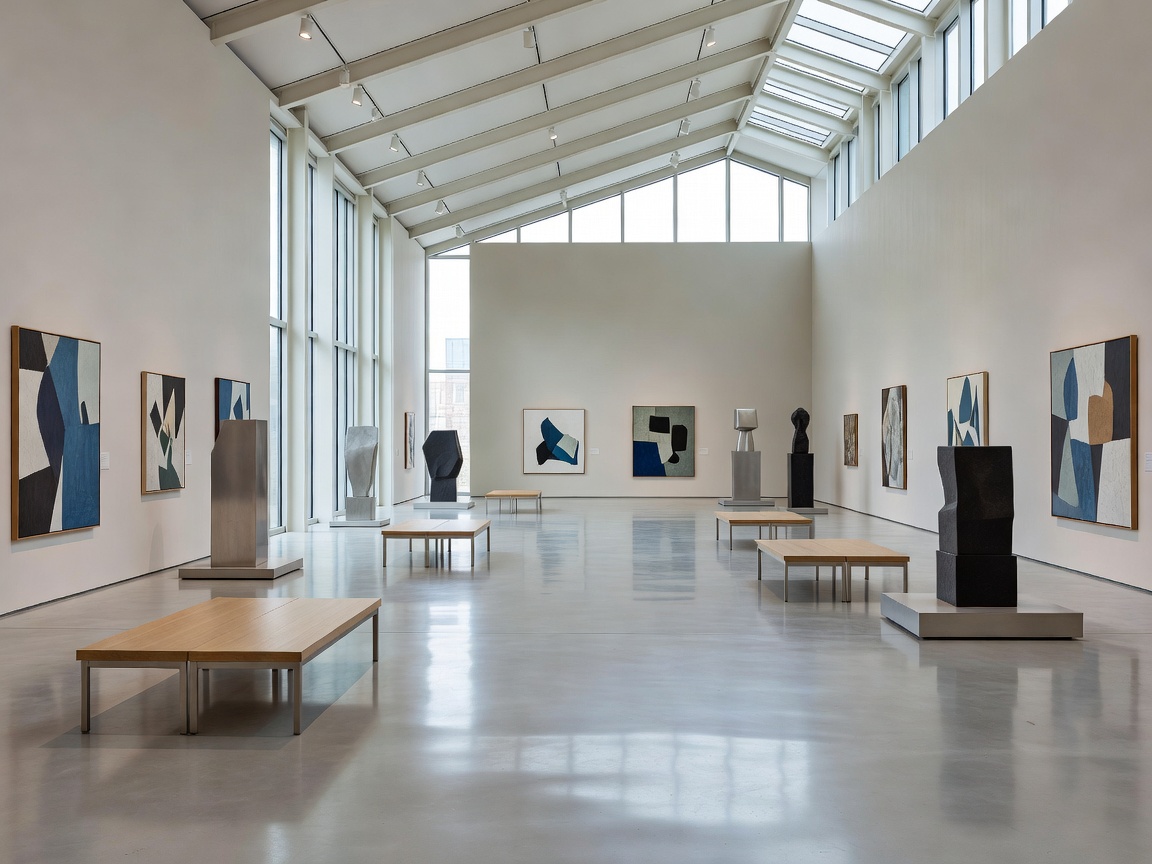
Accessible museum education starts with the specific people, program and route involved. A general statement about a building does not explain whether a particular gallery session, activity or communication format will work for an individual. Ask the museum for current, relevant details and share only the information needed to plan.
Ask about the whole route
Physical access includes more than the entrance. Check the route from arrival point to meeting place, galleries, learning room, toilets and break areas. Ask about step-free access, lifts, thresholds, seating, distance and places to rest. If the session moves between spaces, confirm whether the full route is suitable and whether there is an alternative way to join a section.
For group visits, agree how the group will move and where it can pause without blocking circulation. Ask whether a wheelchair space or seating can be reserved in the learning room, and whether any part of the activity requires standing, reaching or movement between stations. Do not assume access arrangements are the same across every part of a venue.
Consider sensory conditions
Sound, light, crowding, temperature and unexpected announcements can affect participation. Ask whether the planned area is typically busy, whether sound or lighting changes are part of the program, and whether there is a quieter place to pause. Sensory conditions can vary by time and event, so confirm what can be known about the planned visit rather than expecting a universal description.
Flexible participation can include arriving early, taking a break, watching before joining, leaving and returning, or using a quieter route where possible. Ask which options the museum can support. A quiet space may be available in one location but not near the activity, so request practical directions and any relevant rules.
Communication and interpretation
Communication support may involve clear spoken instructions, written steps, captions, hearing support, sign language arrangements, visual schedules or additional time for responses. Ask what formats are available for the specific program and whether arrangements need advance notice. Hearing-access considerations include facilitator position, room acoustics, group discussion rules and whether questions from participants can be heard.
Visual interpretation can include large-print text, high-contrast materials, tactile resources, audio description or clear verbal descriptions. Availability varies. Ask whether materials can be shared before the visit and whether they can be supplied in a format that the participant uses. Do not assume that a standard label, audio guide or digital page meets an individual’s needs.
Accessible educational materials should be usable alongside the activity, not merely available in theory. Check reading level, font size, contrast, navigation and whether a participant can use a personal device or assistive technology. If an activity depends on looking closely, ask whether a reproduction, verbal description or alternative prompt is possible.
Plan communication without assumptions
Contact the museum with concrete questions and a clear description of the planned activity. You do not need to disclose a diagnosis to ask whether a route has steps or a room has seating. If someone chooses to share personal information, ask what details may be passed to relevant staff and avoid sending more than needed.
For school or family groups, appoint one person to coordinate questions and pass practical information to the people supporting the visit. Confirm who will be present, how to find the meeting point, what happens if a lift or room is unavailable, and whom to contact on arrival. A written confirmation can help everyone work from the same arrangements.
GOOD FOR
Any group that benefits from clear advance information, flexible participation and a visit plan based on actual access requirements. These practices support planning but do not establish that a particular museum or program is accessible.
WHAT TO CHECK
- Step-free route, distances, seating, toilets and break spaces.
- Sound, light, crowding and the availability of a quieter option.
- Communication support, interpretation and material formats.
- Advance notice, contact process and contingency arrangements.
COMMON PLANNING RISKS
Relying on a broad accessibility statement may miss barriers on the actual route. Assuming a person’s needs from a diagnosis can result in irrelevant arrangements. Waiting until arrival may leave little time to prepare materials or staff. Treating access as a single checklist item overlooks changing conditions. Confirm the details that matter to the individual and leave room to adjust the plan.
For family participation and pacing, see Family Museum Learning. For group logistics, read School Museum Programs.