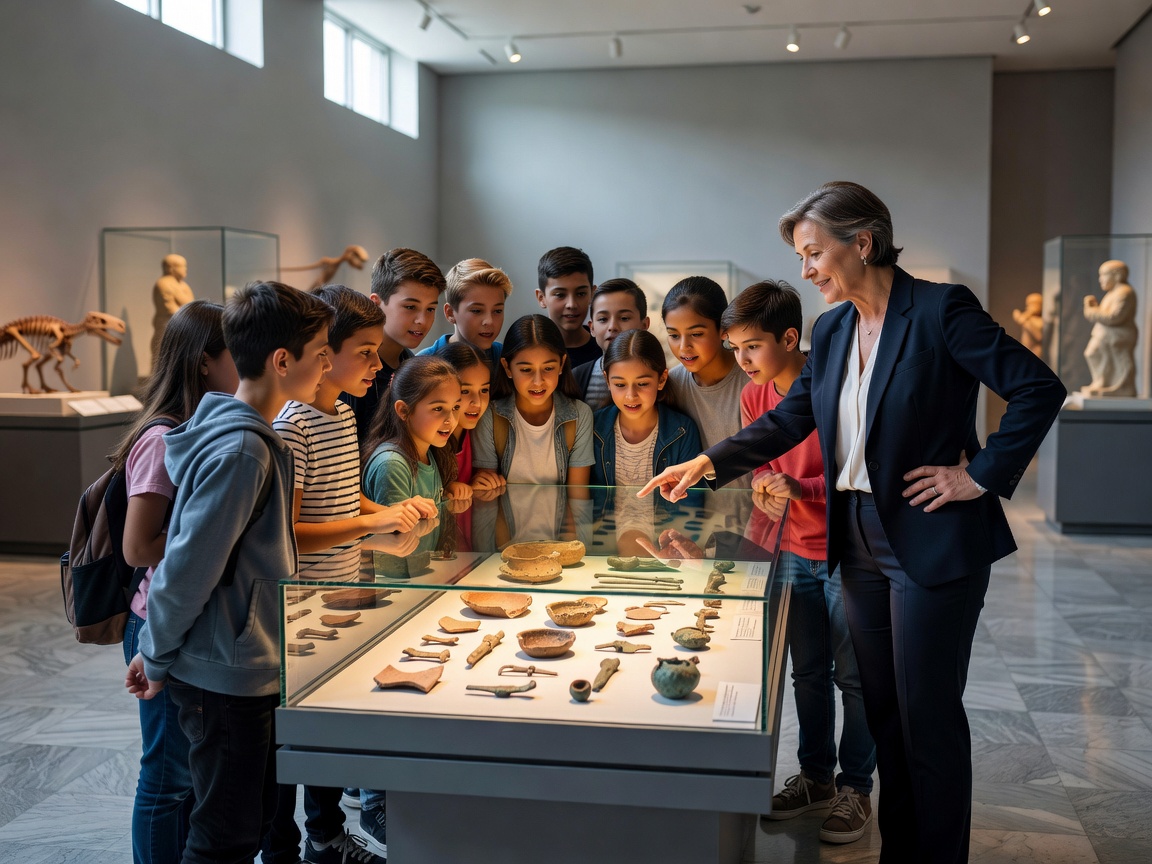
01 / SCHOOL GROUPS
School Museum Programs
Compare curriculum-linked visits, guided sessions, workshops and mixed classroom/gallery formats. Includes age planning, educator preparation and group management.
Plan a school visitTHE MUSEUM LEARNING ATLAS
Museum education can include school visits, family learning, workshops, object-based activities, outreach and accessible formats. Use this guide to compare options and plan around the people, time and access needs involved.
A practical, independent guide. Check current details directly with each museum.
PROGRAM INDEX / 01—05
Start with the audience and format. Then check duration, group arrangements, access information and preparation requirements with the museum.
01 / SCHOOL GROUPS
Compare curriculum-linked visits, guided sessions, workshops and mixed classroom/gallery formats. Includes age planning, educator preparation and group management.
Plan a school visit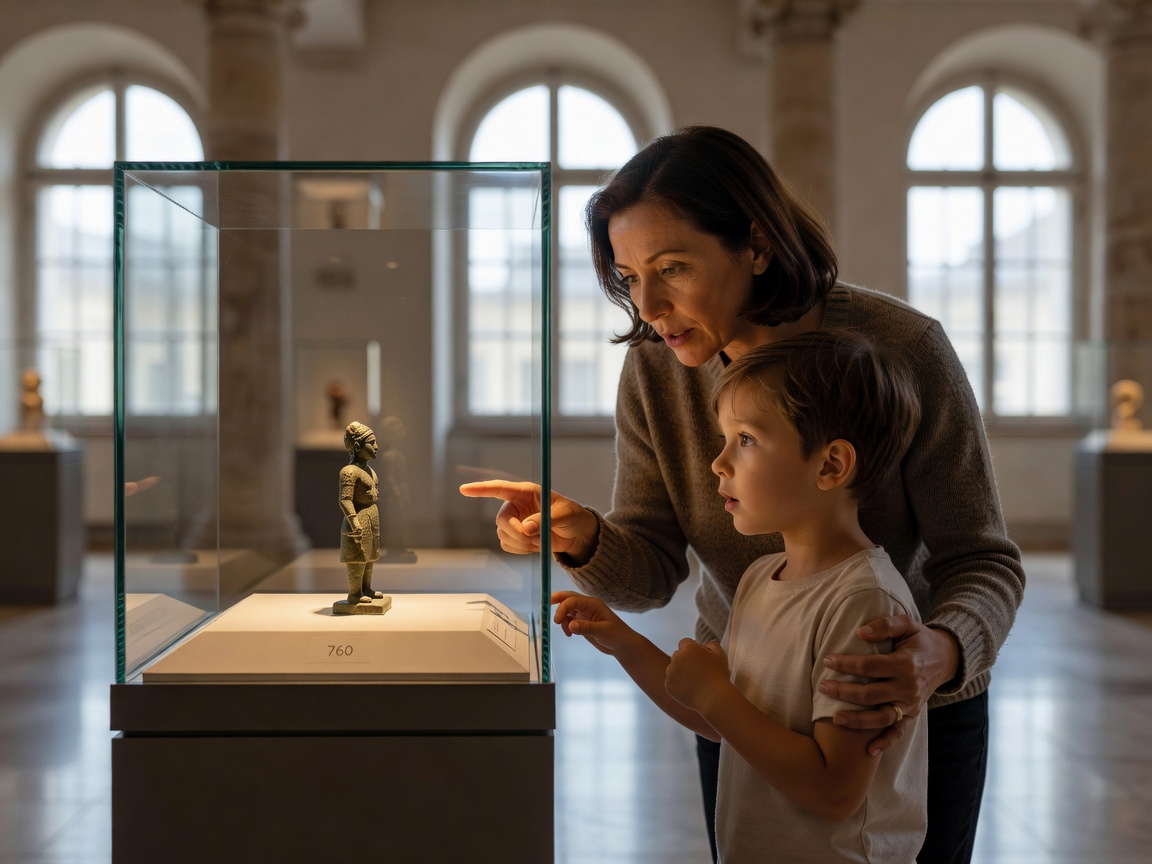
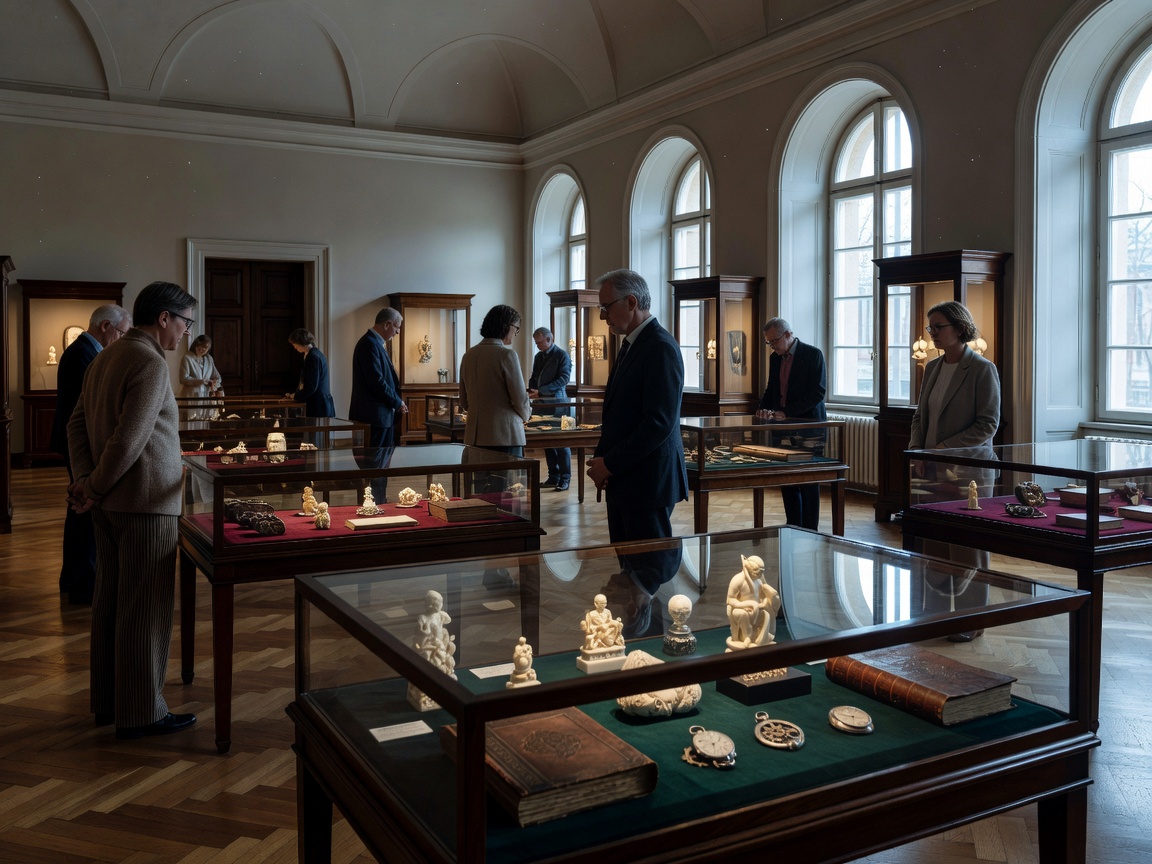
02 / INTERGENERATIONAL
Look at family sessions, discovery stations and independent exploration. Plan for mixed ages, different attention spans, breaks and adult participation.
Explore family formats
03 / PRACTICAL FORMATS
Compare making, demonstrations, discussion and short-format activities by duration, materials, group size and facilitator involvement.
Compare workshop formats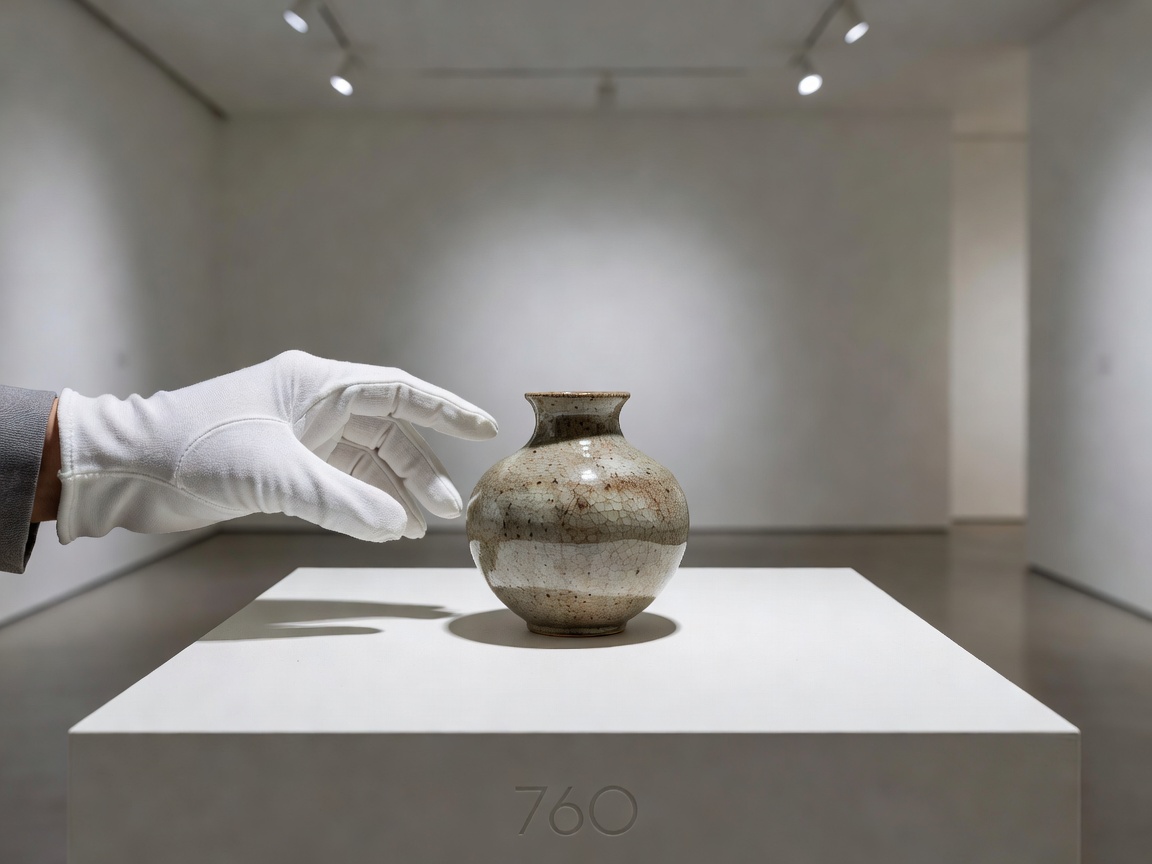
04 / COLLECTION METHODS
Use observation, description, comparison and evidence to build discussion around an object. Distinguish structured inquiry from simply viewing exhibits.
Use objects as starting points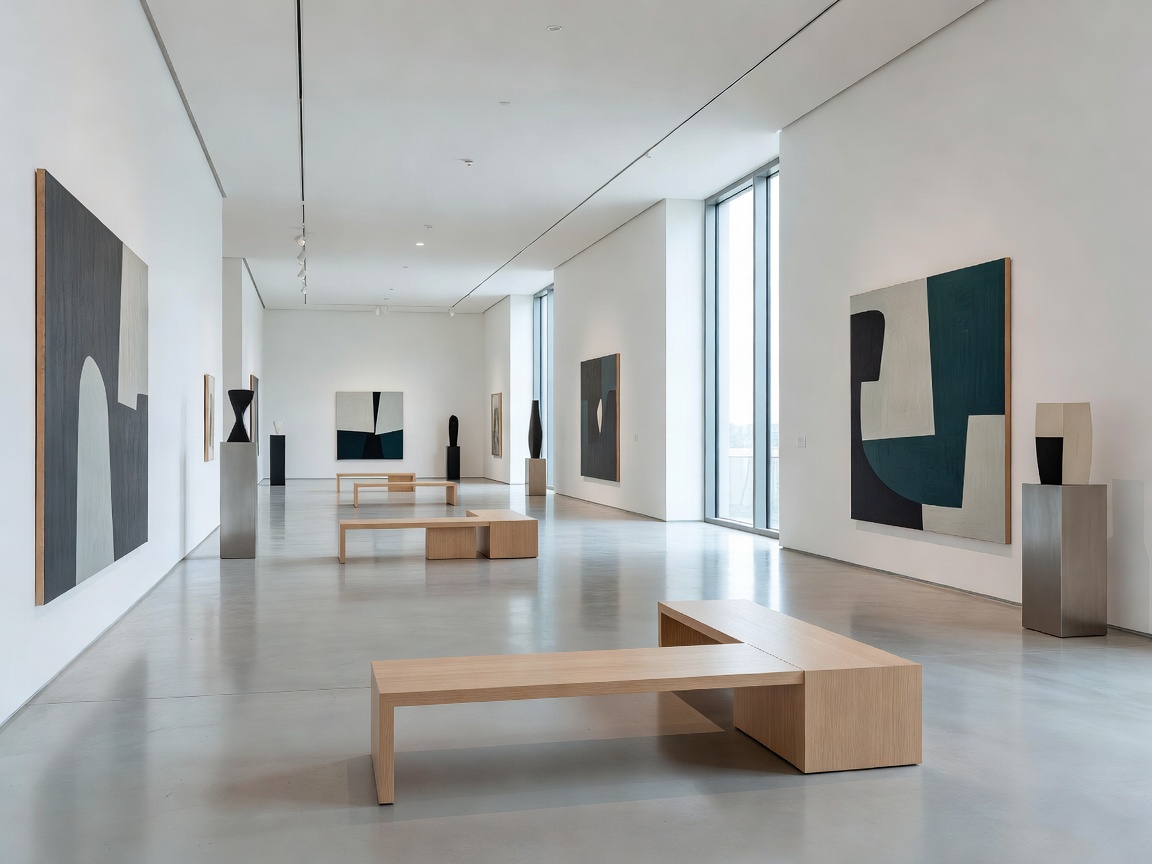
05 / INCLUSIVE PLANNING
Plan conversations about physical access, sensory conditions, communication, visual interpretation and flexible participation without assuming individual needs.
Plan for access needsA PRACTICAL SEQUENCE
Use the route to structure preparation and reflection. Adapt each stage to the group, collection and visit format.
Set a visit purpose, check logistics and share relevant background or access information in advance.
Give time to notice details before adding context. Agree how the group will move and gather.
Use looking, making or handling activities where the museum permits them. Check object-care rules.
Invite description, comparison and questions. Allow more than one interpretation where appropriate.
Relate the visit to classroom, home or personal interests through a follow-up activity or reflection.
PLANNING DESK
Send an editorial enquiry or suggest a topic for this independent guide.
Essential storage remembers your selection and supports core site functions. It cannot be switched off here. No analytics cookies are currently used.